UX/UI + Design System
CSKT Bison Range
Led UX and interface design for a fully offline, culturally sensitive visitor experience. Prototyped in Figma, built in Flutter. Integrated native language fonts and GPS mapping.
Areas
UX, Design
Role
UX/UI Designer
Platform
iOS + Android
Tools
Figma, Sketch, Affinity Designer
Year
2024-25
UX/UI + Design System
CSKT Bison Range
Led UX and interface design for a fully offline, culturally sensitive visitor experience. Prototyped in Figma, built in Flutter. Integrated native language fonts and GPS mapping.
Areas
UX, Design
Role
UX/UI Designer
Platform
iOS + Android
Tools
Figma, Sketch, Affinity Designer
Year
2024-25
UX/UI + Design System
CSKT Bison Range
Led UX and interface design for a fully offline, culturally sensitive visitor experience. Prototyped in Figma, built in Flutter. Integrated native language fonts and GPS mapping.
Areas
UX, Design
Role
UX/UI Designer
Platform
iOS + Android
Tools
Figma, Sketch, Affinity Designer
Year
2024-25
Bison Range App
Bison Range App
Background
The Confederated Salish & Kootenai Tribes approached our team at HX to completely rethink and redesign two existing apps for the Bison Range: a visitor-facing wildlife field guide and a learning and participation app. The original apps were outdated, difficult to use, and failed to capture the beauty, history, and ecological richness of the land. The CSKT wanted to create digital tools that reflected the wonder of the Bison Range, while also honoring its cultural significance and providing educational content about tribal stewardship, native species, and the history of the land.
Background
The Confederated Salish & Kootenai Tribes approached our team at HX to completely rethink and redesign two existing apps for the Bison Range: a visitor-facing wildlife field guide and a learning and participation app. The original apps were outdated, difficult to use, and failed to capture the beauty, history, and ecological richness of the land. The CSKT wanted to create digital tools that reflected the wonder of the Bison Range, while also honoring its cultural significance and providing educational content about tribal stewardship, native species, and the history of the land.
Background
The Confederated Salish & Kootenai Tribes approached our team at HX to completely rethink and redesign two existing apps for the Bison Range: a visitor-facing wildlife field guide and a learning and participation app. The original apps were outdated, difficult to use, and failed to capture the beauty, history, and ecological richness of the land. The CSKT wanted to create digital tools that reflected the wonder of the Bison Range, while also honoring its cultural significance and providing educational content about tribal stewardship, native species, and the history of the land.
Background
The Confederated Salish & Kootenai Tribes approached our team at HX to completely rethink and redesign two existing apps for the Bison Range: a visitor-facing wildlife field guide and a learning and participation app. The original apps were outdated, difficult to use, and failed to capture the beauty, history, and ecological richness of the land. The CSKT wanted to create digital tools that reflected the wonder of the Bison Range, while also honoring its cultural significance and providing educational content about tribal stewardship, native species, and the history of the land.
Animal Field Guide App
Animal Field Guide App
Approach
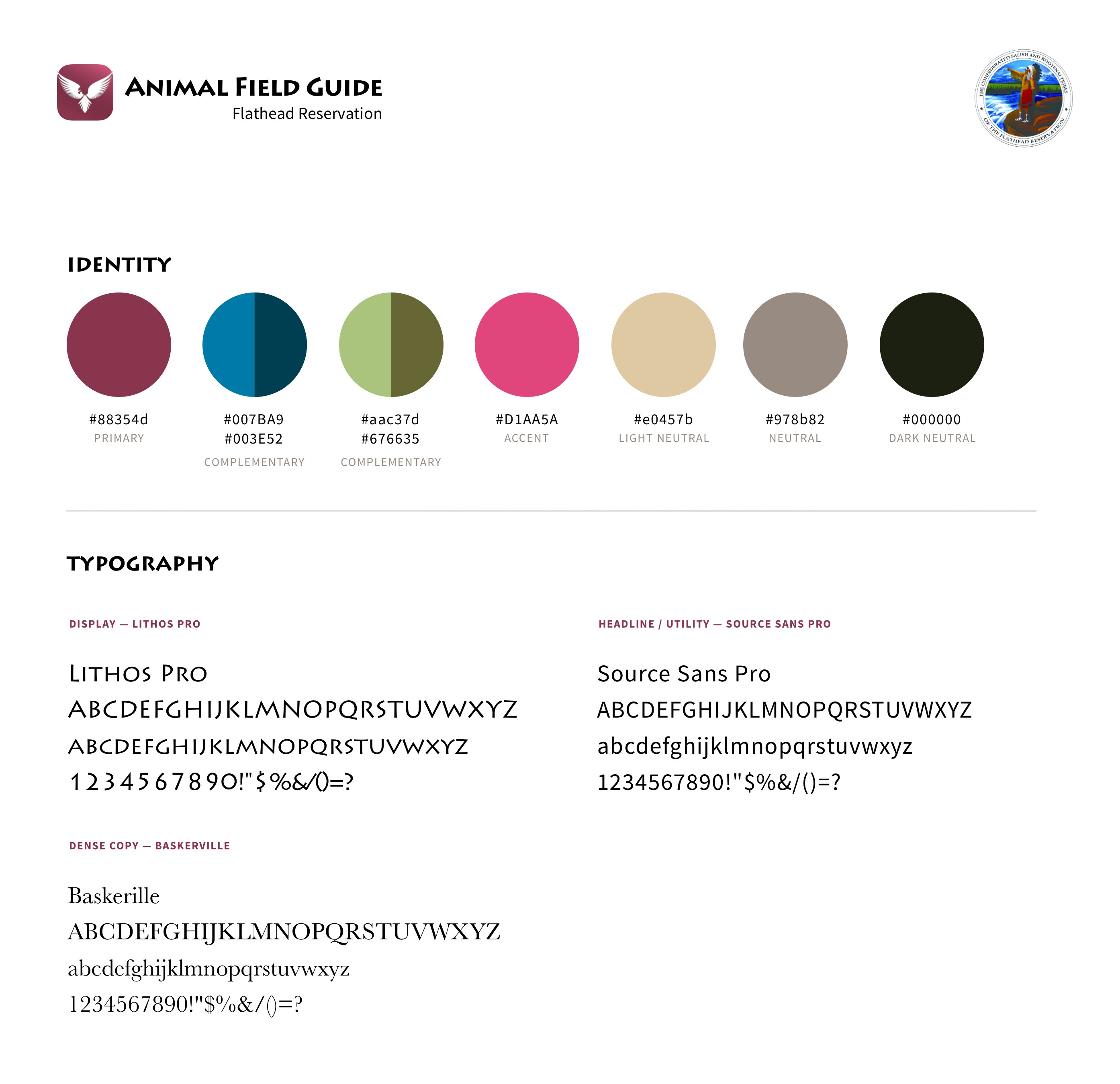
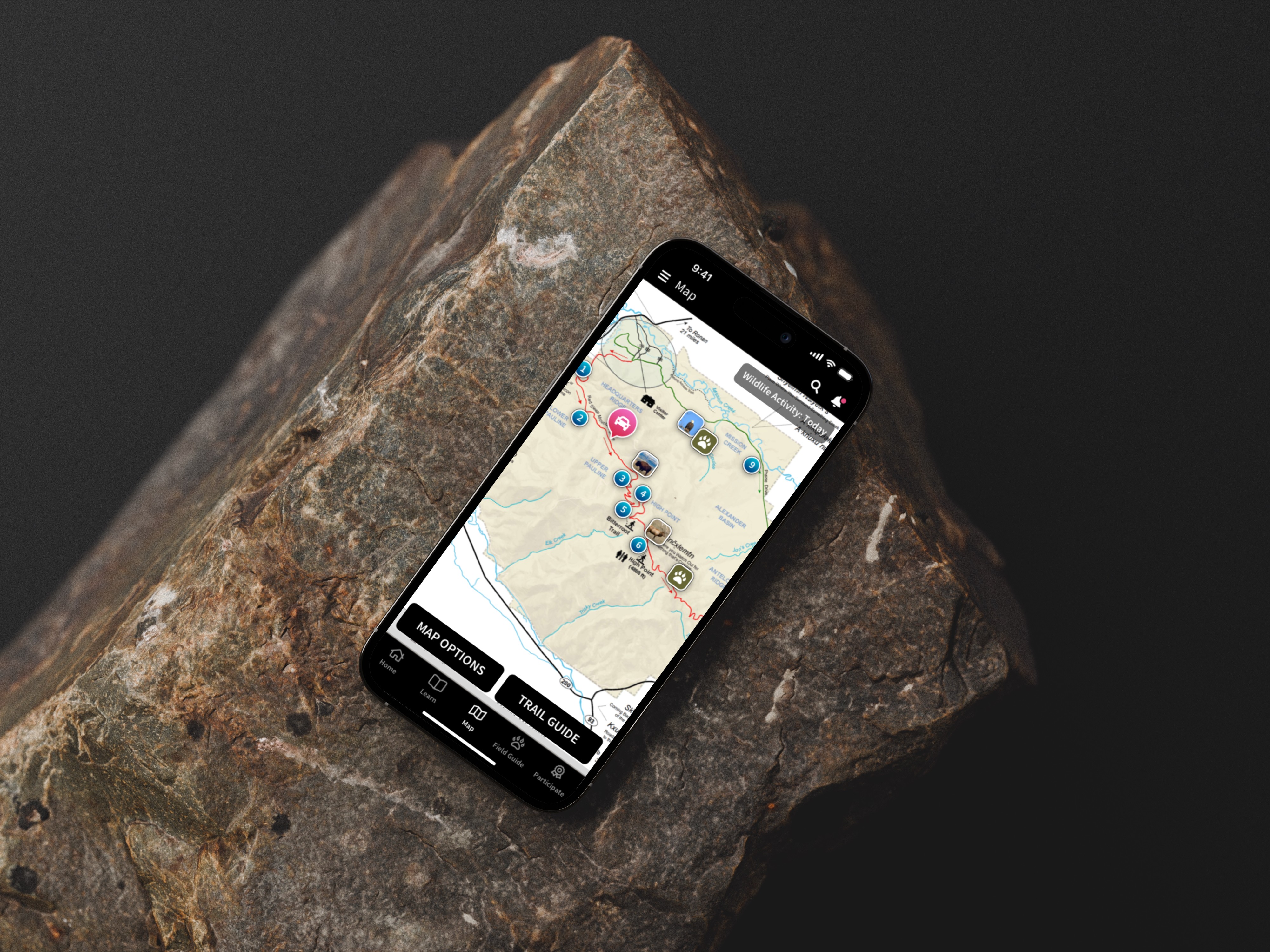
As the lead UX/UI designer, I worked closely with Tim at HX to wireframe and prototype both apps in Figma and Sketch. We redesigned the experience from the ground up — focusing on clarity, visual richness, and thoughtful interaction patterns that worked both online and offline. Design considerations included GPS mapping, cultural sensitivity, offline access, and support for custom tribal language fonts in Salish and Kootenai. We took special care to integrate the visual identity of the land and people — blending a modern user experience with deep respect for the tribal narrative. Once final designs were approved by CSKT project managers, I handed them off to the development team for native iOS and Android implementation.
Approach
As the lead UX/UI designer, I worked closely with Tim at HX to wireframe and prototype both apps in Figma and Sketch. We redesigned the experience from the ground up — focusing on clarity, visual richness, and thoughtful interaction patterns that worked both online and offline. Design considerations included GPS mapping, cultural sensitivity, offline access, and support for custom tribal language fonts in Salish and Kootenai. We took special care to integrate the visual identity of the land and people — blending a modern user experience with deep respect for the tribal narrative. Once final designs were approved by CSKT project managers, I handed them off to the development team for native iOS and Android implementation.
Approach
As the lead UX/UI designer, I worked closely with Tim at HX to wireframe and prototype both apps in Figma and Sketch. We redesigned the experience from the ground up — focusing on clarity, visual richness, and thoughtful interaction patterns that worked both online and offline. Design considerations included GPS mapping, cultural sensitivity, offline access, and support for custom tribal language fonts in Salish and Kootenai. We took special care to integrate the visual identity of the land and people — blending a modern user experience with deep respect for the tribal narrative. Once final designs were approved by CSKT project managers, I handed them off to the development team for native iOS and Android implementation.
Approach
As the lead UX/UI designer, I worked closely with Tim at HX to wireframe and prototype both apps in Figma and Sketch. We redesigned the experience from the ground up — focusing on clarity, visual richness, and thoughtful interaction patterns that worked both online and offline. Design considerations included GPS mapping, cultural sensitivity, offline access, and support for custom tribal language fonts in Salish and Kootenai. We took special care to integrate the visual identity of the land and people — blending a modern user experience with deep respect for the tribal narrative. Once final designs were approved by CSKT project managers, I handed them off to the development team for native iOS and Android implementation.
Impact
The new apps launched in fall and are already being used by visitors to explore the Bison Range, identify wildlife in real time, and learn about the cultural and ecological story of the land. While it’s too early for formal metrics, early feedback from the CSKT has been overwhelmingly positive — and the experience now matches the beauty and significance of the place it represents.
Impact
The new apps launched in fall and are already being used by visitors to explore the Bison Range, identify wildlife in real time, and learn about the cultural and ecological story of the land. While it’s too early for formal metrics, early feedback from the CSKT has been overwhelmingly positive — and the experience now matches the beauty and significance of the place it represents.
Impact
The new apps launched in fall and are already being used by visitors to explore the Bison Range, identify wildlife in real time, and learn about the cultural and ecological story of the land. While it’s too early for formal metrics, early feedback from the CSKT has been overwhelmingly positive — and the experience now matches the beauty and significance of the place it represents.
Impact
The new apps launched in fall and are already being used by visitors to explore the Bison Range, identify wildlife in real time, and learn about the cultural and ecological story of the land. While it’s too early for formal metrics, early feedback from the CSKT has been overwhelmingly positive — and the experience now matches the beauty and significance of the place it represents.